
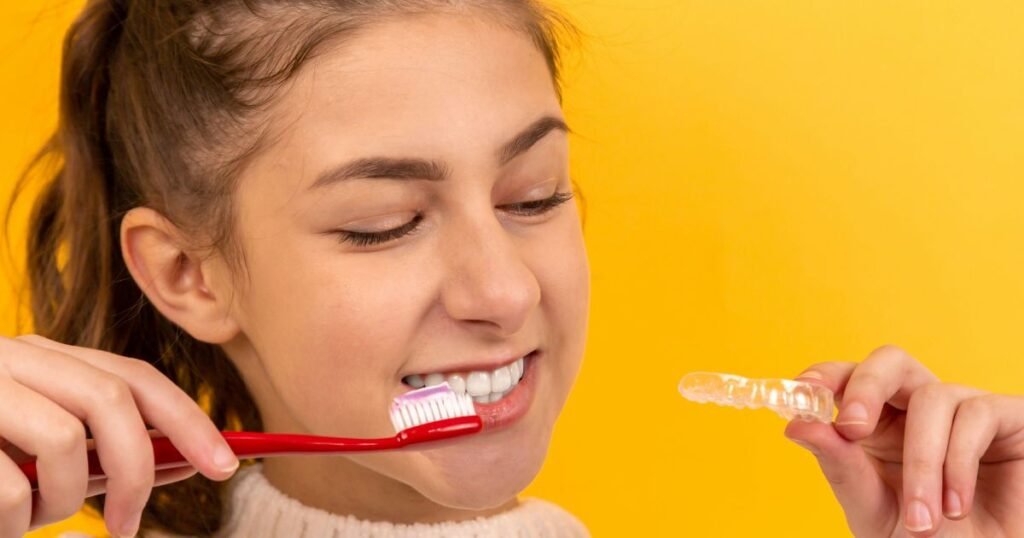
Teeth sensitive after cleaning is a common issue many people experience, even after a routine dental visit. If your teeth feel sensitive after a cleaning, you’re not alone. This reaction is very common, and in most cases, it’s completely normal and temporary.
In this article, you’ll learn why teeth sensitive after cleaning occurs, how long it lasts, and the easiest ways to get relief quickly. We’ll also cover warning signs that may indicate something more serious and when you should follow up with your dentist.
Why Are Teeth Sensitive After Cleaning?

There are several reasons your teeth may feel teeth sensitive after cleaning, and understanding these reasons can help you feel more relaxed and prepared.
1. Plaque and Tartar Removal Exposes Tender Areas
Over time, plaque and tartar build up around your teeth and gums. When your dentist removes this buildup, newly exposed areas of the teeth can feel sensitive. These spots are especially prone to discomfort if tartar was covering the gumline, which often leads to teeth sensitive after cleaning.
2. Gum Recession or Weak Gums
If your gums are receding or pulling away from your teeth, a cleaning can reveal exposed tooth roots. This is one of the common reasons people feel teeth sensitive after cleaning. Roots do not have enamel, so they are more sensitive to:
- Cold water
- Air
- Sour foods
- Brushing
This is another common cause of teeth sensitive after cleaning.
3. Inflammation From Gum Disease
If you have gingivitis or early gum disease, your gums may already be irritated. Cleaning removes bacteria but also touches sensitive areas, leading to temporary increased sensitivity or teeth sensitive after cleaning.
4. Deep Cleaning (Scaling and Root Planing)
Routine cleanings work above the gumline. If your dentist performed a deep cleaning, it involved cleaning under the gums as well. This intensive process can cause teeth sensitive after cleaning for several days, sometimes up to a week.
5. Tooth Enamel Erosion
Thin enamel caused by acidic foods, teeth grinding, aggressive brushing, or acid reflux can make your teeth more sensitive. After a cleaning, these areas react more strongly to instruments and polishing paste, contributing to teeth sensitive after cleaning.
6. Whitening Toothpaste Use
Whitening toothpastes can make teeth more sensitive. After a cleaning, this effect can feel stronger than usual, which is why teeth sensitive after cleaning may worsen temporarily.
How Long Are Teeth Sensitive After Cleaning?
Most people experience teeth sensitive after cleaning for:
- 24 to 48 hours after a regular cleaning
- 3 to 7 days after a deep cleaning
- Up to 2 weeks if you have gum recession or enamel loss
If sensitivity worsens instead of improving, check with your dentist.
What to Do If Your Teeth Are Sensitive After Cleaning
Here are the most effective ways to soothe your teeth and protect enamel after cleaning:
1. Use a Desensitising Toothpaste
Toothpaste for sensitive teeth can calm the nerves inside your teeth. Check for ingredients such as potassium nitrate or stannous fluoride. Use twice daily and give it at least 2 weeks to work fully to reduce teeth sensitive after cleaning.
2. Avoid Hot, Cold, and Acidic Foods
For the first 24–48 hours, avoid:
- Ice-cold drinks
- Hot coffee or tea
- Citrus fruits (lemon, lime, orange)
- Soda and spicy foods
These can irritate freshly cleaned teeth and prolong teeth sensitive after cleaning.
3. Brush Gently With a Soft Toothbrush
Use soft bristles and gentle circular motions. Avoid scrubbing hard to prevent enamel damage, which can worsen teeth sensitive after cleaning.
4. Use Fluoride Mouthwash Daily
A gentle alcohol-free fluoride mouthwash can:
- Strengthen enamel
- Reduce sensitivity
- Prevent cavities
5. Avoid Whitening Products for a Few Days
Pause whitening toothpaste, strips, or gels for 3–5 days after cleaning to prevent teeth sensitive after cleaning from increasing.
6. Try Warm Salt Water Rinses
Saltwater can soothe gums and reduce sensitivity:
- 1 cup warm water
- ½ teaspoon salt
- Rinse for 20–30 seconds, 2–3 times a day
7. Take Over-the-Counter Pain Relievers
If needed, ibuprofen or paracetamol can help manage teeth sensitive after cleaning. Use only as directed.
8. Switch to a Mineralising Toothpaste
Some toothpastes help rebuild enamel by adding minerals like:
- Hydroxyapatite (HAp)
- Nano-hydroxyapatite
- Fluoride or stannous fluoride
This reduces long-term teeth sensitive after cleaning issues.
How to Prevent Teeth Sensitive After Cleaning
To reduce or prevent teeth sensitive after cleaning in the future, follow these simple and effective tips:
Get Fluoride Varnish if Needed – your dentist can apply it after cleaning to instantly ease teeth sensitive after cleaning.
Brush Twice Daily With a Gentle Technique – use a soft-bristled toothbrush and gentle circular motions, avoiding harsh scrubbing.
Floss Daily – this removes plaque before it hardens into tartar, helping reduce teeth sensitive after cleaning.
Limit Acidic and Sugary Foods – cut back on soda, citrus fruits, vinegar, and energy drinks.
Don’t Skip Dental Cleanings – regular visits make cleanings gentler and help prevent teeth sensitive after cleaning.
Treat Grinding or Clenching (Bruxism) – wearing a night guard protects enamel and reduces sensitivity.
When Should You Worry About Teeth Sensitive After Cleaning?
Most of the time, teeth sensitive after cleaning is normal. Contact your dentist if you notice:
- Sensitivity lasting more than 2 weeks
- Sharp pain while chewing
- Swelling or bleeding gums
- Pain that wakes you at night
- A cracked or broken filling
- Sensitivity limited to only one tooth
These may indicate something beyond normal teeth sensitive after cleaning.
Final Thoughts
Feeling teeth sensitive after cleaning can be annoying but is rarely serious. It shows your teeth and gums are reacting to plaque and tartar removal—an essential step toward better oral health.
Managing it is easy with:
- Desensitizing toothpaste
- Gentle brushing
- Fluoride mouthwash
- Avoiding hot or acidic foods for a day or two
With consistent oral hygiene and regular dental visits, teeth sensitive after cleaning should gradually decrease.
Meta Description
Experiencing teeth sensitive after cleaning? Discover the real reasons behind post-cleaning sensitivity and learn simple, effective ways to reduce discomfort fast. Find out what to do, how long it lasts, and when to see a dentist.
Table of Contents
FAQs:
1. Why are my teeth sensitive after cleaning?
Your teeth become sensitive after cleaning because plaque and tartar removal exposes tender areas and irritated gums.
2. How long does teeth sensitivity last after cleaning?
Most people feel teeth sensitive after cleaning for 1–2 days, and up to a week after deep cleaning.
3. Is it normal to have teeth sensitive after cleaning?
Yes, feeling teeth sensitive after cleaning is completely normal and usually temporary.
4. What can I do if my teeth are sensitive after cleaning?
Use desensitising toothpaste, avoid hot or cold foods, and use fluoride mouthwash to calm teeth sensitive after cleaning.
5. When should I visit my dentist for sensitivity?
If your teeth sensitive after cleaning for more than two weeks, or if pain increases, visit your dentist.