
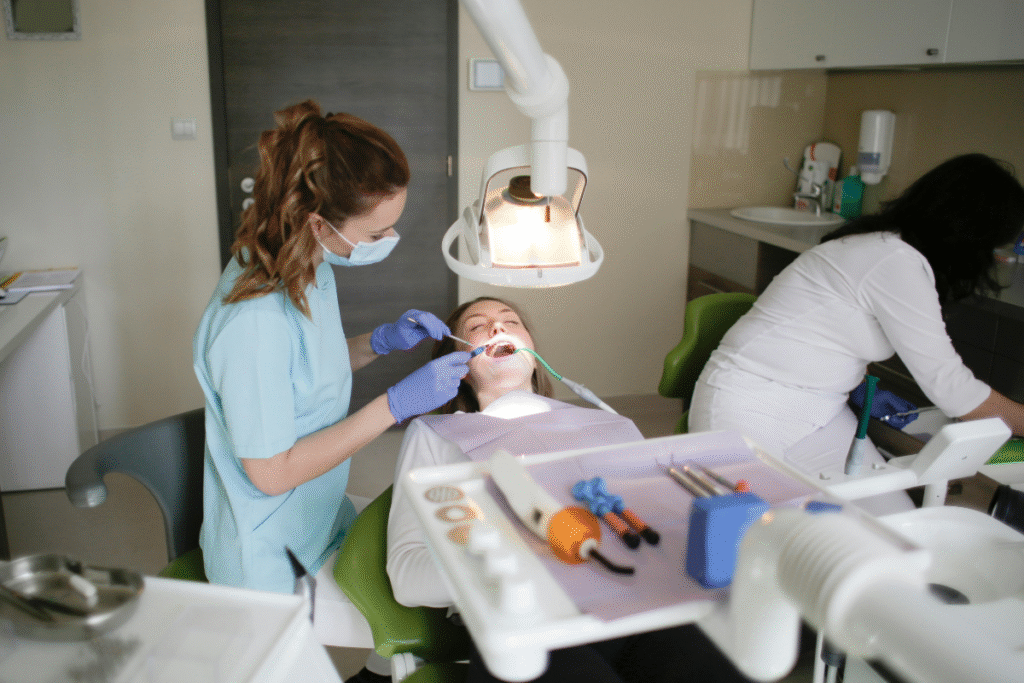
When you lose a tooth, your jawbone slowly starts to shrink because it no longer has the tooth root to support. To prevent that, dentists often perform a bone graft after tooth extraction. This procedure helps rebuild bone where it’s lost and prepares your mouth for implants or future restorations.
If you’ve just had an extraction and a bone graft after tooth extraction or are planning to get one, this complete guide will walk you through the healing process, best foods to eat, and things to avoid for a smooth recovery.
What Is a Dental Bone Graft?
A bone graft after tooth extraction is a minor surgical procedure that replaces missing bone in your jaw with special bone material. This material may come from your own body, a donor, or be synthetic. Over time, your body naturally replaces the graft with new bone.
Dentists usually recommend tooth extraction and a bone graft when:
- You plan to get a dental implant later.
- Your jawbone is too thin or weak to hold an implant.
- Gum disease or infection has caused bone loss.
The graft acts like a “scaffold,” allowing new bone cells to grow and strengthen the jaw.
Healing Timeline After a Bone Graft

Healing after a bone graft after tooth extraction happens in stages. Every patient heals differently, but here’s a general timeline you can expect:
Day 1–3: Initial Recovery
- Mild swelling, bleeding, and discomfort are normal.
- Keep gauze in place and bite down gently to control bleeding.
- Apply an ice pack for 15–20 minutes at a time to reduce swelling.
- Take prescribed painkillers or antibiotics as your dentist recommends.
- Avoid spitting or using straws — they can disturb the graft site.
Week 1: Soft Tissue Healing
- Gums begin to close over the surgical area.
- You may notice a small white film — that’s part of the healing tissue.
- Keep your mouth clean with gentle saltwater rinses twice a day.
- Stick to soft foods like yogurt, mashed potatoes, oatmeal, or soup.
Weeks 2–4: Early Bone Formation
- Swelling should completely go away.
- The a bone graft after tooth extraction graft starts integrating with your natural bone.
- Continue eating soft foods and avoid hard or crunchy foods.
Month 2–4: Bone Regeneration Phase
- The new bone structure gets stronger.
- You’ll feel normal again, but the graft is still healing underneath.
- Your dentist may take X-rays to check the progress.
Month 4–6: Full Bone Healing
- The grafted bone fully fuses with your jaw.
- You’re now ready for the next step, such as a dental implant.
Full healing may take up to 6 months, depending on your age, health, and the size of the graft.
Best Foods During Bone Graft Recovery

What you eat after a bone graft after tooth extraction your surgery can make a huge difference in how fast you heal. Here are some delicious and dentist-approved foods that are soft, nutritious, and safe to eat:
1. Protein-Rich Smoothies
Blend banana, yogurt, milk, and protein powder for energy and tissue repair.
2. Mashed Vegetables
Soft, easy-to-chew veggies like mashed potatoes, carrots, or pumpkin are perfect for recovery.
3. Soups & Broths
Warm (not hot) chicken or vegetable soups provide hydration and minerals without pressure on your gums.
4. Scrambled Eggs
High in protein and easy to chew — ideal for the early days after surgery.
5. Oatmeal & Porridge
Gentle on the mouth and full of fiber for smooth digestion.
6. Yogurt & Cottage Cheese
Calcium-rich foods help strengthen your new bone.
7. Applesauce or Blended Fruits
Naturally sweet and soft, a great way to add vitamins without chewing.
Eat small portions frequently instead of large meals. Keep everything soft for at least 2 weeks.
What to Avoid for a Faster Recovery

After extraction and bone graft, some habits and foods can delay your healing or even damage the graft. Stay away from these until your dentist says it’s safe:
1. Hard or Crunchy Foods
Chips, nuts, raw vegetables, or crusty bread can dislodge the graft.
2. Hot or Spicy Foods
They can cause irritation and bleeding at the surgical site.
3. Alcohol and Smoking
Both slow down blood flow and greatly delay healing. Avoid for at least 1–2 weeks.
4. Carbonated Drinks or Straws
Sucking action can loosen the blood clot and disturb the graft area.
5. Touching or Poking the Site
Don’t try to check the area with your tongue or fingers. Let it heal naturally.
Extra Care Tips for Smooth Recovery
- Keep your mouth clean, but avoid brushing directly over the graft for the first few days.
- Use a soft-bristled toothbrush and gentle motions.
- Stay hydrated, drink plenty of water.
- Rest well and avoid heavy exercise for 3–5 days.
- Always attend your follow-up appointments.
When to Call Your Dentist
Contact your dentist right away if you notice:
- Severe pain or swelling after 3 days
- Pus or bad taste in your mouth
- Persistent bleeding
- Fever or chills
Early attention prevents infection and keeps your a bone graft after tooth extraction graft safe.
Conclusion
A bone graft after tooth extraction might sound serious, but it’s actually a safe and routine procedure that helps maintain your jaw’s strength and shape. With the right care, a healthy diet, and patience, you can expect a full recovery in just a few months.
Take your time, eat soft and nutritious foods, follow your dentist’s advice, and soon, your mouth will be ready for a strong, confident smile again.
SEO Meta Title:
Bone Graft After Tooth Extraction: Healing Stages, Diet & Care Tips
Meta Description:
Learn the complete healing stages after a bone graft after tooth extraction. Find safe foods to eat, care tips, and things to avoid for faster recovery.
1: How long does it take to heal after a bone graft following tooth extraction?
The healing time after a bone graft following tooth extraction typically ranges from 4 to 6 months. During this period, the grafted material slowly fuses with your natural jawbone, creating a strong foundation for future implants. Healing speed can vary depending on factors like age, health, and graft size, but following your dentist’s care and diet instructions ensures faster recovery.
2: What foods should I eat after a bone graft and tooth extraction?
After a bone graft and tooth extraction, focus on soft, protein-rich, and nutrient-dense foods such as smoothies, yogurt, mashed potatoes, scrambled eggs, and soups. These foods support bone regeneration and prevent irritation at the graft site. Avoid hard, spicy, or crunchy foods until your dentist confirms it’s safe to resume a regular diet.
3: What are the signs of infection after a dental bone graft?
Possible signs of infection after a dental bone graft include persistent swelling, severe pain, fever, pus, or a foul taste in your mouth. If any of these symptoms appear, contact your dentist immediately. Early treatment prevents complications and helps ensure the bone graft after tooth extraction heals properly.